Uncategorized
Tankless Water Heater Installation: Is It Right for Your Reno Home?
Tankless Water Heater Installation: A Modern Alternative for Reno Homes
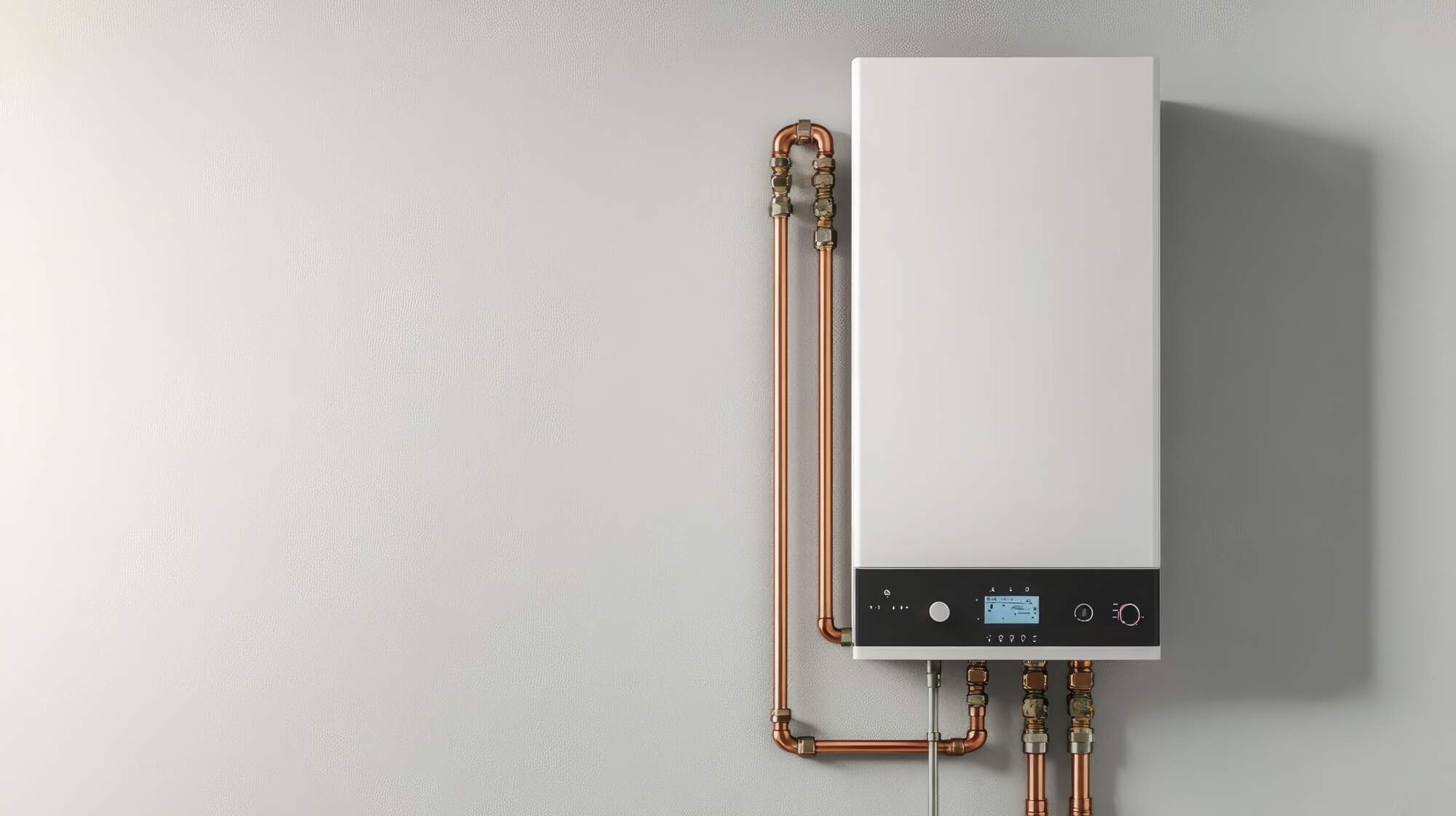
If you’re considering a water heater upgrade for your Reno home, a tankless water heater might be worth exploring. Unlike traditional tank-based systems that store and continuously heat water, tankless units heat water on-demand as it flows through the system. This fundamental difference affects everything from energy efficiency to installation complexity to long-term costs.
How Tankless Water Heaters Work
A tankless water heater uses either natural gas or electricity to rapidly heat cold water as it passes through the unit. When you turn on a hot water tap, the system detects the flow and activates heating elements or a gas burner. Once you turn the tap off, heating stops. This on-demand approach eliminates the standby energy loss that occurs when a traditional tank keeps 40–80 gallons of water hot 24/7, even when nobody’s using it.
Tankless vs. Traditional Tank Systems: Key Differences
Energy Efficiency: Tankless units are typically 24–34% more energy-efficient than conventional storage tanks, according to major efficiency ratings. For homes with moderate to heavy hot water use, that translates to meaningful savings on utility bills over time.
Size and Space: Tankless units are compact—roughly the size of a small medicine cabinet—making them ideal for homes with limited utility space. Traditional tanks occupy a much larger footprint, especially larger capacities.
Hot Water Supply: Tank systems provide a large volume of hot water immediately but can run out if demand exceeds capacity. Tankless systems deliver consistent hot water continuously, though flow rate matters. If multiple showers or appliances run simultaneously, you may notice reduced temperature or pressure.
Lifespan: Tankless units typically last 15–20 years with proper maintenance, while traditional tanks usually last 8–12 years. Longer lifespan can offset higher upfront costs.
Installation Requirements and Considerations
Installing a tankless water heater near Reno often requires more planning than replacing a traditional tank. Gas-powered tankless units need adequate ventilation and gas line sizing; electric models may require upgraded electrical service. Both types benefit from descaling and maintenance to prevent mineral buildup—a common issue in areas with hard water.
Professional installation is strongly recommended. Friendly Plumbing in Reno is familiar with local building codes and water conditions can ensure your system is properly sized, vented, and configured for your home’s layout and hot water demands. Incorrect installation can reduce efficiency and void warranties.
Long-Term Savings and Payback Period
The higher upfront cost of a tankless unit—typically $1,500–$3,000 installed, compared to $800–$1,500 for a traditional tank—is recovered through lower energy bills. For a household using significant hot water, payback can occur in 5–10 years. After that, the energy savings add up quickly. Plus, many utility companies offer rebates for energy-efficient water heater upgrades.
Is a Tankless Water Heater Right for You?
A tankless system makes sense if you want to reduce energy bills, have limited space, or plan to stay in your Reno home long enough to recoup the investment. They’re especially effective for smaller households or homes with moderate, predictable hot water use.
However, if your home has very high simultaneous hot water demand, older gas lines, or you prefer the simplicity of a traditional system, a conventional tank may remain the better choice.
Get Professional Guidance for Your Reno Home
Choosing between a tankless and traditional water heater depends on your household’s specific needs, budget, and hot water usage patterns. Friendly Plumbing can assess your home’s current setup, water hardness, gas or electrical capacity, and usage habits to recommend the best option. Contact Friendly Plumbing today for a no-pressure consultation on tankless water heater installation in Reno, or to discuss which water heating solution fits your home best.
Call 775) 972-0870 or visit our contact page.
Swimming Pool and Hot Tub Plumbing
Keep Your Pool and Hot Tub Running Strong This Summer
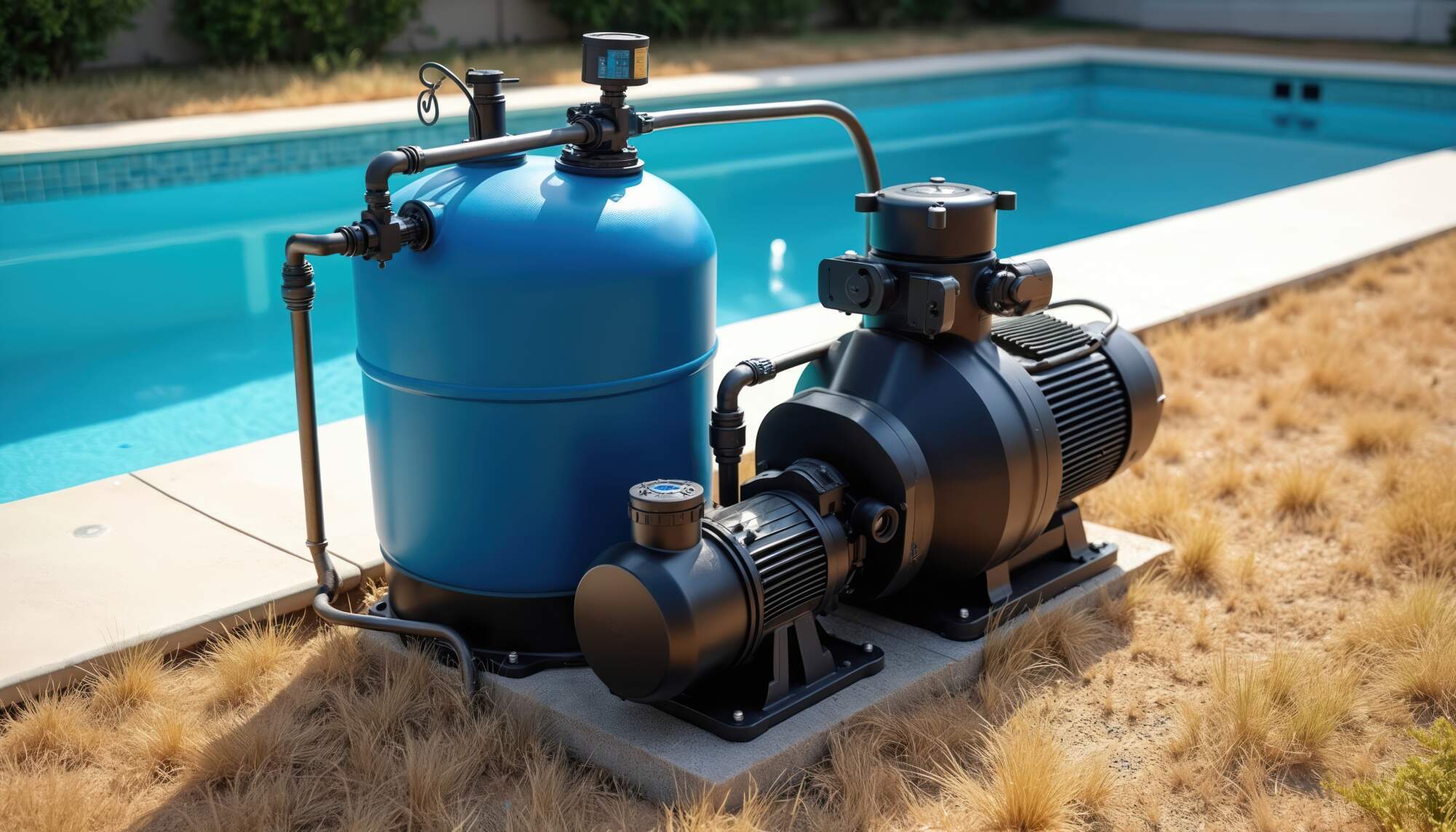
Nevada’s summer heat puts extra stress on pool and hot tub plumbing systems. Circulation lines, valves, heater connections, and pressure regulators work harder in high temperatures, making preventative maintenance essential. Whether you’re a new pool owner or managing an existing water feature, understanding common summer plumbing issues helps you avoid costly downtime and water waste.
Circulation Line Leaks: The Most Common Pool Plumbing Problem
Circulation lines carry water from your pool or hot tub to the pump and filter system. In Reno’s intense summer heat, underground and above-ground lines expand and contract, creating stress on joints and connections. Small leaks often go unnoticed until your water bill spikes or you see soggy patches around your deck.
Early signs of circulation leaks include:
- Wet spots in your yard or near pool equipment
- Unexplained drops in water level (beyond normal evaporation)
- Reduced water pressure at returns or jets
- Air bubbles in the system
A professional inspection can locate leaks before they become expensive. Many leaks in circulation lines start small but worsen quickly under summer heat and pressure, potentially damaging surrounding landscaping or pool foundations.
Valve Maintenance and Pressure Issues
Pool and hot tub systems rely on multiple valves to direct water flow, maintain pressure, and control chemical distribution. Valves can become stiff, corroded, or stuck, especially in dry Nevada climates where mineral buildup occurs rapidly. Summer pressure surges from heat can damage weak or aging valves.
Regular valve inspection and lubrication keep your system responsive and prevent failures. Friendly Plumbing can:
- Check valve seals for wear or cracks
- Clear mineral deposits that restrict flow
- Test pressure relief valves to ensure proper operation
- Verify isolation valves function correctly for seasonal shutdown
Pressure problems—whether too high or too low—signal underlying issues. High pressure can damage equipment and waste water; low pressure reduces filtration effectiveness, leading to cloudy water and algae growth.
Heater Line Connections and Temperature Control
Hot tub heaters and pool heating systems depend on secure plumbing connections to function safely and efficiently. Copper and PVC lines connecting your heater to the circulation system are prone to corrosion, thermal stress, and joint leaks. Summer heat accelerates these problems.
Inspect heater connections for:
- Visible corrosion or discoloration on copper lines
- Wet areas around connection points
- Temperature fluctuations during operation
- Unusual sounds (rattling, hissing) during heating cycles
Friendly Plumbing can pressure-test heater lines, replace corroded fittings, and verify proper flow rates. Neglected heater connections can lead to system failure mid-summer or, worse, safety hazards from gas heater issues.
Preventative Inspection Matters in Summer Heat
Summer is peak season for pool and hot tub use, but it’s also when plumbing stress peaks. By scheduling a thorough inspection before or early in the season, you catch small issues before they disrupt your enjoyment or drain your wallet. Friendly Plumbing knows where problems typically develop and how heat and mineral content affect your specific system.
Preventative maintenance includes:
- Full circulation line pressure testing
- Valve function and seal inspection
- Heater connection integrity checks
- Pump and filter performance assessment
- Drain and vent line verification
Pool and hot tub plumbing requires specialized knowledge beyond standard residential repairs. Friendly Plumbing Inc. brings experience with Nevada’s high-altitude conditions, hard water challenges, and the specific demands of desert summer weather on water feature systems. Quick response to leaks or pressure problems prevents water waste and equipment damage.
If you notice leaks, pressure issues, temperature problems, or any sign of plumbing trouble with your pool or hot tub this summer, don’t wait. Professional inspection and repair today save time, water, and money.
Call 775) 972-0870 or visit our contact page.