Blog
Bathroom Plumbing Upgrades
Why Upgrade Your Bathroom Plumbing?
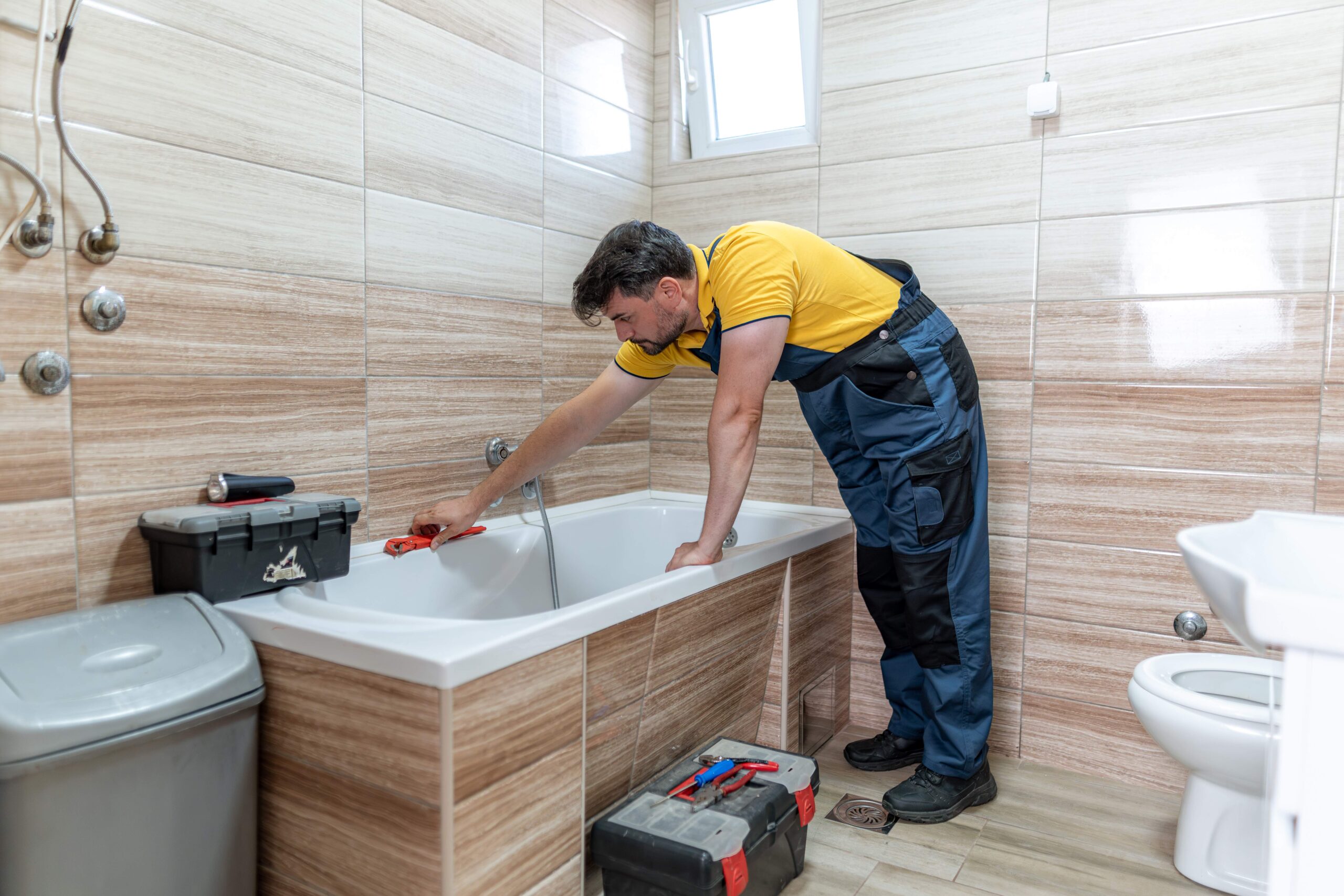
A bathroom renovation is one of the most rewarding home improvements you can make, but plumbing is often overlooked in the planning process. Outdated pipes, inefficient fixtures, and drainage problems can undermine the entire project and lead to costly repairs down the road. Whether you’re updating a single bathroom or remodeling your entire home, investing in modern plumbing solutions ensures your new space functions beautifully and reliably for years to come.
Fixture Upgrades That Make a Difference
Modern bathroom fixtures offer both style and efficiency. Faucets and showerheads with water-saving technology reduce consumption without sacrificing performance—a smart choice for Reno area homeowners mindful of desert water conservation. Toilet upgrades to dual-flush or low-flow models can significantly cut water usage and lower utility bills. Vanity installations require proper drainage planning to prevent standing water and mold growth, especially in Nevada’s dry climate where moisture management is critical.
Professional plumbers ensure these fixtures are installed to code and integrated seamlessly with your existing supply and drain lines. Improper installation can lead to leaks hidden behind walls—the kind of damage that grows expensive if left undetected.
Drainage Improvements and Ventilation
Good drainage is invisible until it fails. Many older Reno bathrooms have undersized or corroded pipes that don’t handle modern water demands. Upgrading drain lines during a renovation prevents backups, slow drains, and water damage. Proper ventilation through correctly sized exhaust fans and venting reduces humidity, prevents mold, and extends the life of your fixtures and finishes.
If you’re adding fixtures—a second sink, heated towel rack, or spa-like shower—your plumbing layout must support the increased load. A qualified plumber near you in Reno or Sparks will assess your existing system and upgrade it where needed, ensuring code compliance and future-proof functionality.
Water Supply and Pressure Considerations
Bathroom upgrades often include luxuries like rainfall showerheads, body sprays, or multiple fixtures in use simultaneously. Your water supply lines must deliver adequate pressure and volume without compromising other parts of your home. Upgrading to larger supply lines or installing a pressure-balancing valve prevents temperature fluctuations and scalding—a safety and comfort must for modern bathrooms.
Older homes in the Reno and Sparks area may have galvanized steel pipes prone to corrosion and mineral buildup. A bathroom remodel is the perfect time to replace these with durable copper or PEX lines, improving water quality and reliability.
Code Compliance and Professional Installation
Nevada plumbing codes exist to protect your health, safety, and property. Professional installation ensures your bathroom meets all current requirements—from proper vent stack sizing to accessible fixture placement. A licensed plumber knows the local codes that apply in Reno and Sparks and will pull permits as needed, protecting you from future inspection failures or insurance claims.
DIY plumbing mistakes—undersized vents, improper slope on drain lines, or cross-connections—can create problems that emerge months or years later. Professional work carries the contractor’s warranty and expertise, giving you peace of mind that your investment is sound.
Start Your Bathroom Upgrade Today
If you’re planning a bathroom renovation in Reno or Sparks, don’t leave plumbing to chance. Friendly Plumbing specializes in bathroom remodeling and upgrades for local homeowners. Our team will evaluate your current system, recommend modern solutions that fit your budget and style, and ensure every fixture and line meets code. Contact us for a consultation and get your bathroom project started right.
Ready to talk? Call 775) 972-0870 or visit our contact page.
Septic System Maintenance for Reno Area Homes: Keep Your System Running Strong
Why Septic System Maintenance Matters
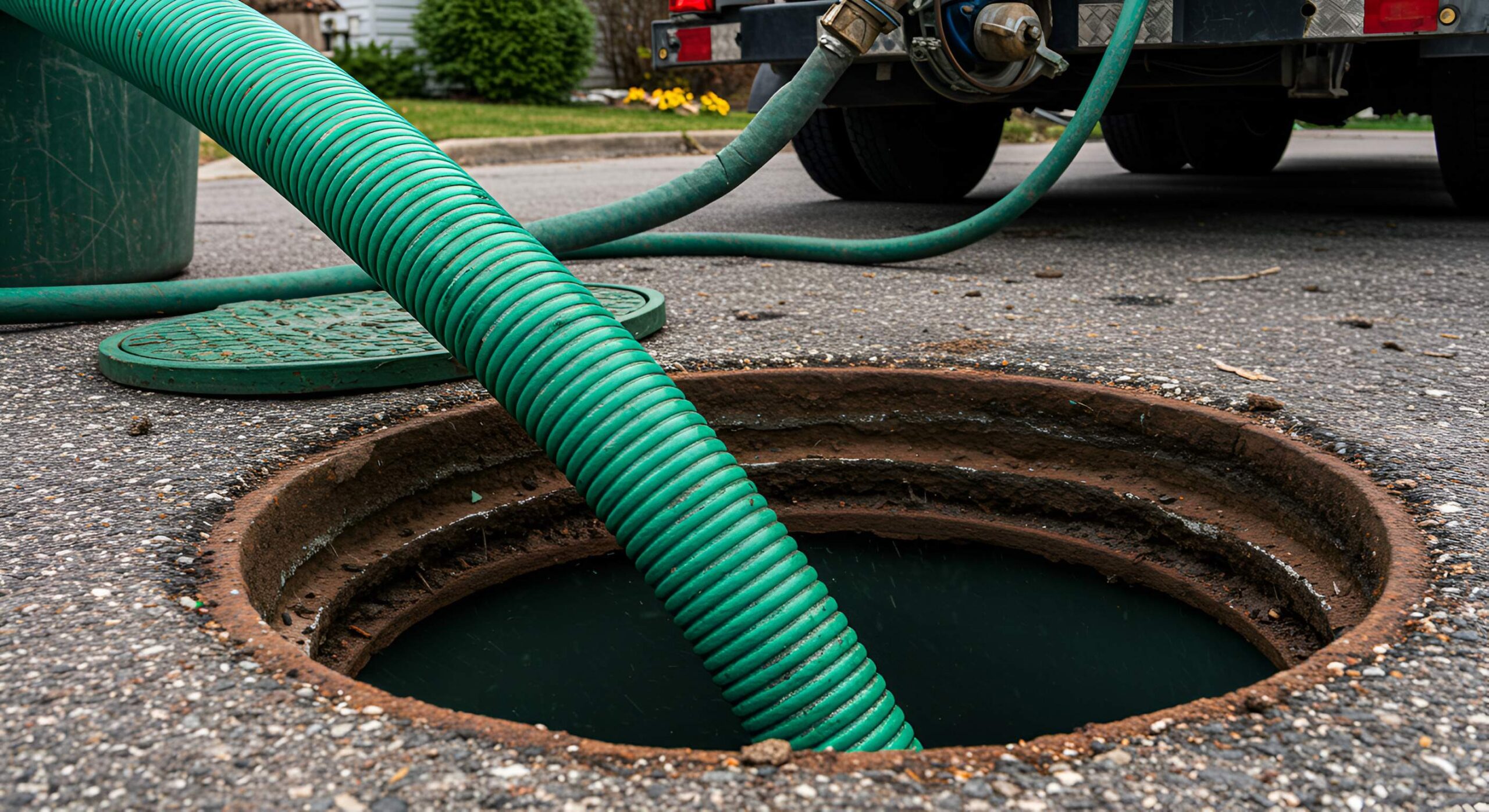
If your Reno-area home relies on a septic system, regular maintenance is essential to keep it functioning properly and avoid costly repairs. A well-maintained septic system can last 25–30 years or more, but neglect can lead to backups, failures, and expensive replacements. Preventative care is the most cost-effective way to protect this critical part of your home’s infrastructure.
How Often Should You Pump Your Septic Tank?
The frequency of septic tank pumping depends on tank size, household size, and water usage. Most Reno homeowners benefit from pumping every 3–5 years. Smaller households or those with smaller tanks may need service more frequently, while larger tanks in low-use homes might go longer between visits. A professional septic contractor can assess your specific situation and recommend a schedule tailored to your needs.
Regular pumping removes accumulated solids and sludge that can’t break down naturally. Without it, these materials eventually clog your drain field, reducing system efficiency and creating backups inside your home. Scheduling routine pumping is far less expensive than dealing with system failure.
What You Should Never Flush
Your septic system works best when only human waste and toilet paper enter the tank. Many common household items can damage or clog the system:
- Paper towels, facial tissues, and wipes (even “flushable” wipes)
- Cooking grease and oils
- Coffee grounds, food scraps, and non-biodegradable waste
- Medications and chemicals
- Feminine hygiene products and diapers
- Pet waste and litter
These materials either don’t break down in the tank or interfere with the bacterial processes that keep your system healthy. Dispose of them in the trash or through appropriate means instead.
Protect Your Drain Field
The drain field is where treated wastewater percolates into the soil. Reno’s terrain and climate can affect drain field performance, so protecting it is critical. Avoid parking vehicles or placing structures over your drain field, as weight compacts the soil and prevents proper drainage. Keep tree roots away from septic lines by planting trees at a safe distance. Excessive water—from downspouts, sump pumps, or heavy irrigation—can overwhelm the system and should be directed away from the drain field area.
Use Septic-Safe Products
Heavy cleaners, bleach, and antibacterial products kill beneficial bacteria in your tank that break down waste. Choose septic-safe cleaning products and use them sparingly. Similarly, be mindful of laundry habits—spreading loads throughout the week rather than doing multiple loads in one day helps your system process water gradually.
Professional Inspection and Maintenance
Beyond pumping, a professional septic inspection every 1–3 years catches small problems before they become expensive repairs. A licensed contractor can check for leaks, assess tank condition, and ensure your drain field is functioning properly. For Reno-area homeowners, local septic expertise is invaluable—professionals familiar with the region’s soil composition and climate can offer specific maintenance recommendations.
The Long-Term Benefit
Preventative septic maintenance protects your investment and gives you peace of mind. Regular pumping, careful water use, and professional inspections extend your system’s life and prevent emergency backups that disrupt your home and your schedule. When you’re ready to schedule your next septic service or discuss a maintenance plan tailored to your Reno home, reach out to the local experts.
Contact Friendly Plumbing today or call us to arrange septic maintenance near you. We serve Reno and the surrounding area with professional, reliable septic care.